
It was just one of those days when you chance upon an intriguing film. We recently bought a subscription for MUBI and we can now safely say that we are subscribed to all things movie.
We woke up to the sound of pouring rain. It was a lazy Sunday and there was not much to do at home. Then we had several cups of chai. We read a few chapters from the novels we were each reading at the time.
We had traveled that week and had only come back to the bay on Saturday night. So, cooking was not as inspiring as doing laundry was. We also wanted to rest for a few hours on Sunday before the upcoming madness of the week, so marinating chicken was really not on the priority list. So, we ordered egg fried rice from a local restaurant nearby for lunch.
As we sat to explore our new MUBI subscription, we noticed a movie called Shakespeare Wallah. The description of the movie had two words “Shakespeare” and “Shashi Kapoor” and we were intrigued.
Background
This was a 1960’s film produced by Ivory Merchant Productions and directed by James Ivory. The cast has a mix of English and Indian actors, and “The Shashi Kapoor”. We know that in their prime, Shashi Kapoor and his wife played a pivotal role in changing the course of what Prithvi Theatre is today. For those who are not aware, located in Juhu, Prithvi is a beautiful hub of actors coming together and performing plays at the theatre. The compound has a small bookshop with books curated for artists and actors. My husband has been purchasing some interesting books over the past year. We have been reading so much of Satyajit Ray because of Prithvi bookshop. The marvel that Satyajit Ray was, is a story for another time.
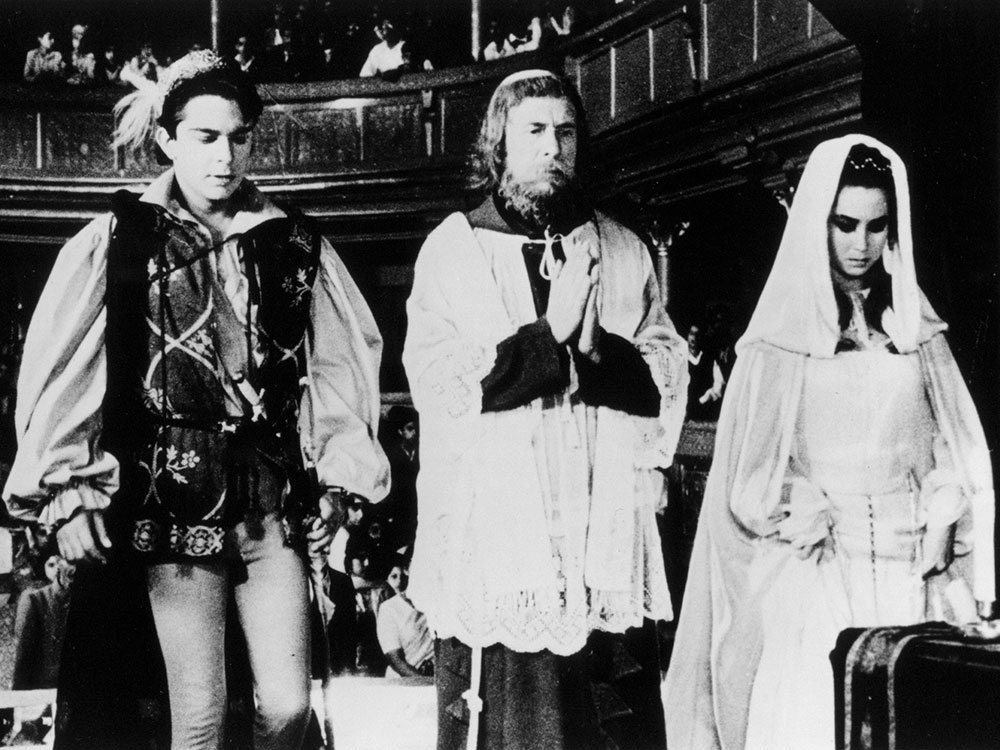
The film is about a troop of English theatre actors, who, after India’s independence have continued performing Shakespeare plays in India. The movie focuses on post-independence India where theater as an art form is losing its charm. Cricket and commercial Bollywood cinema is taking over the country and no one seems to have the time to attend a 4 hour play. No one is interested in watching a play when they can be entertained by a big commercial film.
At a time like this, Shashi Kapoor meets this actor troop and tries to understand what they do. He is mesmerised by the actor’s talent to portray Hamlet on stage. The hardwork of learning the heavy dialogues and performing them with that vigour, forces him to spend more time with the troop. A young actor from the troop interests him most and he is attracted to her.
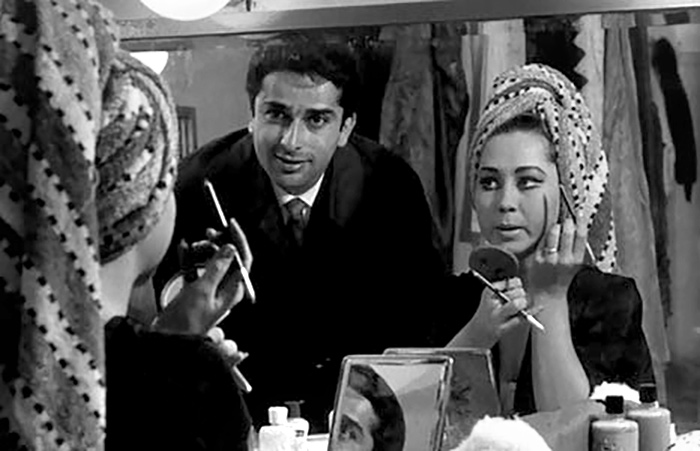
The contradiction to a theatre actor is finely performed by Madhur Jaffrey portraying a famous Indian actress. She is a Sharmila Tagore-like character , a crowd puller; hordes of people wait for her autograph and so on. She is almost blinded by her celebrity status and most of her time is spent in choosing her cover photos for Filmfare magazine.
While Shashi Kapoor begins to appreciate the diversity and beauty of the vocation of theatre actors, his country seems to want to forget them. His country is invested in glamour and beautiful evening gowns, sparkling jewellery, dances and songs. The dichotomy is portrayed in many ways through the film to the point that the theatre actors are eventually forced to stop working.
Shashi Kapoor is the protagonist and does not hide his flaws. He is romantically involved with two women simultaneously. When the time comes to announce his love for one, he is unable to choose. As much as he is mesmerised by the talent of the theatre actor, he is also, just like his country, falling prey to the glamour of the movies.
The film ends on a somber note and you are left wondering what would have probably happened with the theatre actors. If I were to draw an extension of this movie into real life, Shashi Kapoor takes the initiative to spread the joy of theatre through Prithvi.
Final Reflections
After watching the film and reading a little about it online, I gathered that Shashi Kapoor’s wife belonged to a family of theatre actors and before independence, they would perform plays all across India. The film is inspired by real life events and some of the British actors are infact Shashi Kapoor’s wife’s family members.
The film is in Black and White and the monochrome effect only elevates the experience. Shashi Kapoor is so handsome, you’d want to date someone like him in real life. He is so English while being so Desi – just like our country. The film has kissing scenes as though the movie was made today. I don’t say this to add a sensational aspect to my write up. I just want to point out that if intimacy was shown in such a matter-of-fact manner back in the 60s, why are we so bothered by it today.
I have watched films such as Deewar and Trishul and yes, Shashi Kapoor has a major fan base from those. But what I saw in this film was Shashi Kapoor, the flag bearer of Prithvi theatre. An actor that cared enough to be part of a movie like this.
 Ityādi Diaries
Leave a comment