
I started the first weekend of the new year with the same traditions. I stepped out for a cup of coffee but mixed it up a bit by trying a new
Coffee spot. It was a nice place, had great coffee, but I missed my regular spot. As creature of habit, it’s difficult for me to let go of my regular hangouts. I walked back home with a bunch of flowers, just like I have been doing all year long. No “new year-new me” resolutions.
It’s been a blessing to have pleasant weather in Mumbai last few weeks. The cool breeze on a quiet Sunday morning felt like a blessing. Back home my husband decided to make adrak wali chai for the winter morning and although I had had my share of caffeine, I couldn’t resist.
While enjoying my chai from my window, I was checking for 2024 films that I’d missed watching and would probably want to watch sometime this year. I was reminded of a conversation with a colleague in office, (also as interested as I am in films) about “All we imagine as light” releasing on Amazon prime. The film released in theatres in India for a few weeks but I had missed catching it then.
My husband’s Uncle and Aunt had sent fried fish and curry for us for lunch so it was looking like a good Sunday already. I served myself a bowl full of the warm curry, a nice soft piece of the fried fish and some rice. I started with the film.
This is a 2024 film directed by Payal Kapadia and lead roles are played by Kani Kusruti, Divya Prabhavand Chhaya Kadam. I recall seeing a video online of these women making a lovely entry at the Cannes Film Festival, dancing their way through the red carpet and just for that, I wanted to watch this film.
The film begins with the busy market places at Dadar and Mahim with background voices of people speaking their mother tongue, explaining why they moved to Mumbai, what this city means to them. The premise was pretty much set from this first scene and you’d already think that this film may be a story of the immigrant population of Mumbai.
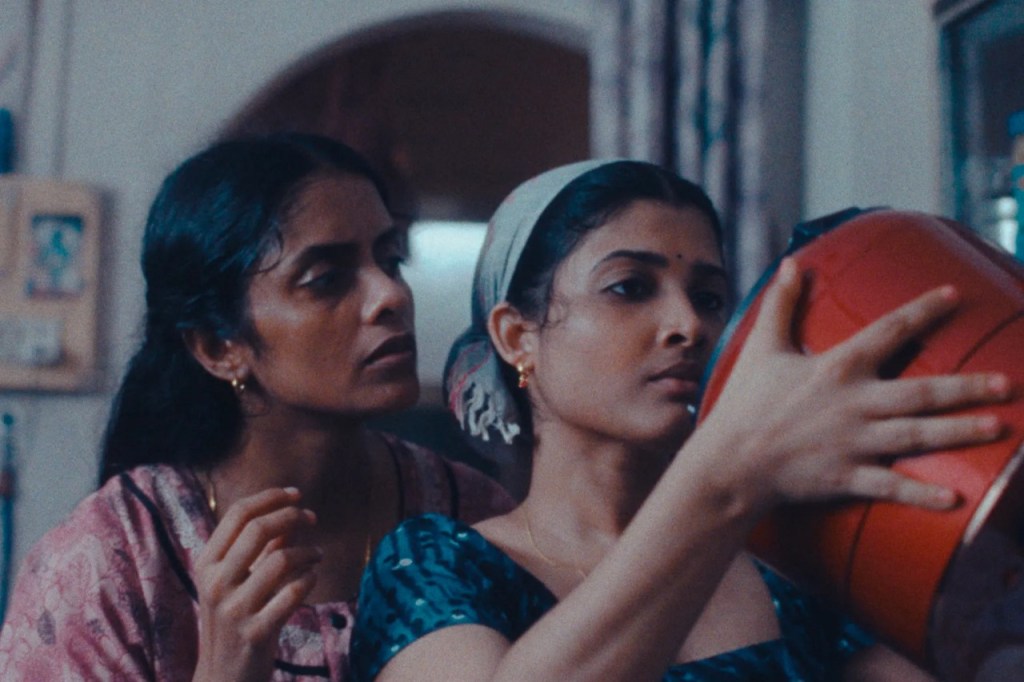
You are then taken to a claustrophobic sort of always crowded hospital where these women work. Kani is a Head Nurse, Divya Prabha is working her way up at the hospital while Chhaya works in the hospital mess. Large part of the film then revolves around their daily routines and their struggles in keeping it all going in this competitive, almost heartless city of Mumbai. They experience love, loss, the harsh realities of the city and somewhere when life is happening to them, they find solace in each other.
The film gets interesting when Chhaya is suddenly displaced from Mumbai one day because of the big bad builders and their rampant acquisition of land. She is forced to relocate to her hometown. Kani and Divya help Chhaya relocate and settle in her coastal village. There, in the quiet of the village and the vastness of the sea, Kani seeks closure from her estranged husband, Divya’s love with her boyfriend solidifies as they get intimate, experiencing each other’s bodies in ways they wouldn’t know, in a space free from the harsh realities of Mumbai. While Chhaya slowly accepts her reality and settles in.
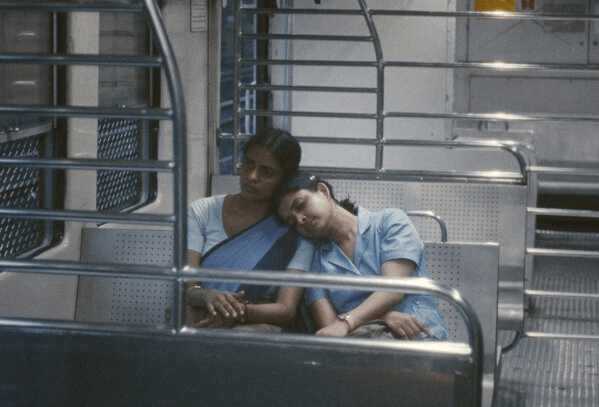
Through their lives, the film attempts its own take on the city of Mumbai – the story of immigrants through a lens of observation. Several scenes are slow paced, and not much is happening and you’re left to observe the small details, the slightest facial expressions.
Many films have used Mumbai as almost a character in their film in the past so the concept wasn’t new at its core. Especially in the year 2024, after having so much content on this city, do I want to hear dialogues like “Mumbai sapnon ka sheher nahi, yeh mayanagari hai”?
Remember the film Dhobi Ghat? My personal favourite film on the city of Mumbai, this 2010 film is about four characters, from different walks of life, that find themselves connected to each other in some way in the city of Mumbai. Not drawing comparisons because the two films are different in many ways but I personally loved how Mumbai was portrayed in the film. Fourteen years since this film and anything written about this city now feels a bit overdone and tiring.

The film sits with you on your couch almost, with every scene shot at a slow pace, carefully showing the smallest detail of the everyday lives of these women. Not much is always happening on screen and the idea possibly is to soak the details. Cinematographically, I suppose there would be technical terms that I’m missing here but I hope the feeling comes through. I kept wondering though, has this been done in other films in the past? Yes. Was it shot better in this film? Not sure.
My personal favourite would be the Malayalam film “The Great Indian Kitchen”. The everyday life of a housewife (the protagonist female character) waking up, cooking, cleaning, providing, taking care. Every chore is carefully shot with the audience left to observe the minute details of the housewife’s life. The repetitive shots of the housewife’s home chores, the sheer mundanity of the scenes is almost disturbing. It leaves an impact.
I think the fact that this film reminded me of my personal favourites in a similar genre and I was left reminiscing about these films is a message enough that I couldn’t somehow relate myself to this one. As much as I wanted to love this film, I was left wondering if it even made it to my personal favourites list. It’s beyond great that the film did so well at the film festival and everyone is talking about it all over the world but that’s the thing about art right? One may like it, one may not.
-Aishwarya Bedekar
 Ityādi Diaries
Leave a comment