
This weekend we had absolutely no intention to watch a film. We both had our chores cut out for Sunday and we got to it. As Sunday afternoon crept on us, with it, crept the Monday blues. It’s a rule that the moment you feel blue, you must indulge. It was raining the whole weekend and I was in the mood for something warm and spicy. I decided to cook some chicken kheema.
I absolutely detest chopping veggies and to be honest., I hardly manage to do a decent job. Im just happy with the idea that once it’s all cooked, no one would see my unevenly chopped onions. I wondered though how it must have been like, for our parents generation, when women were the bosses of the kitchen. They would plan meals, feed a full house and take care of everybody’s needs. In reality this has to be the most powerful position in a house. You are making decisions for an entire family’s nutrition, in that sense. You decide what they eat, what they don’t. It’s sad though that the women got no recognition for doing all this.
As the waft of all the spices took over the house, and my kheema was just about done, the act of random browsing of all apps on the television had begun. We chanced upon “Abhimaan”. We decided to give it 30 minutes. If we get bored, we stop.

The movie begins with Subir (Amitabh Bachchan) singing “Meet na mila re mann Ka” at a concert show. He is a popular singer, women’s heartthrob. With all that popularity, he is surely rich and is living the life. He owns a plush house, is often seen drinking expensive whiskey, attending race course events – the works.
His talent manager turned friend lives with him and theirs is a marriage that lasts long. Asrani, with his cheerful smile and terrible jokes brings an innocence to the otherwise shrewd character.
During a short vacation to his hometown, Subir meets Uma (Jaya Bachchan) while she is casually singing and strolling through the town. There’s a beautiful scene during one of their meetings when Subir says “main logon ke liye gaata hoon” and Uma replies saying only when you sing for yourself, you can call it music.
Within a few weeks of dating, they get married. As tradition goes, Uma leaves her home and settles down with Subir in Mumbai. She is dealing with the sudden move from a quiet town to a city like Mumbai. Her home – simple. Subir’s palace in Mumbai – everything that she has never seen before. The movie does not focus on this aspect as much but you can feel the contrast in her life, just from the scenes.
Without a fleeting thought that even she has talent and can have a career, Uma dives right into wife duties. Making tea, planning meals, doing laundry.
Uma’s voice gets noticed at a party when she is asked to sing along with Subir. She soon gets offers to playback for films and pursues singing professionally for a while. As days pass, Uma rises to fame. She is every music composers first choice. Subir’s reactions to Uma’s career begin with encouragement and eventually turns into jealousy. The ego creeps in eventually and all is not well.
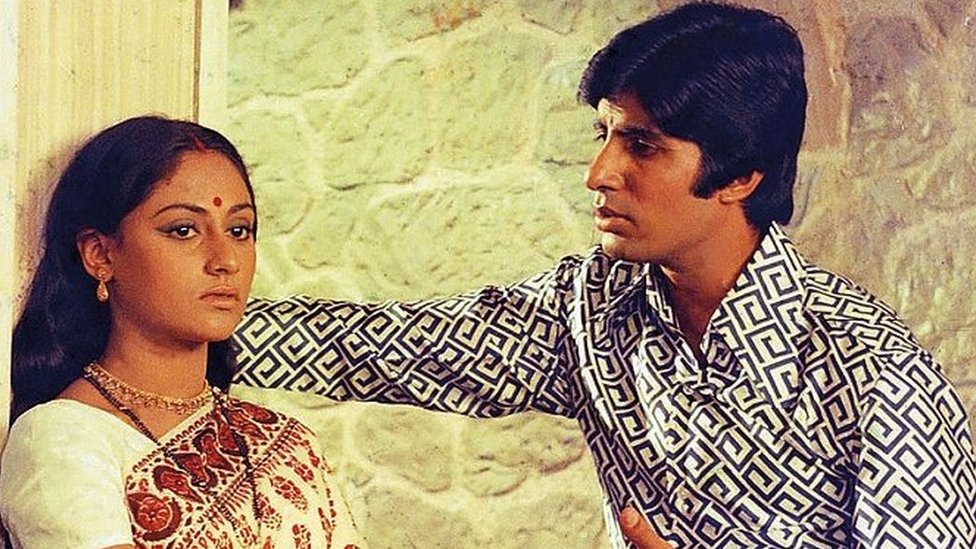
This affects their relationship and when things turn sour, Uma returns to her hometown. Life gets dark when she miscarries and continues to live in her hometown. Subir resists meeting Uma and expects her to make the first move to resolve their issues. The ego still very much responsible for all of his actions.
There’s no realisation or even much of guilt built up but eventually Subir convinces Uma to come back to Mumbai. Later in the film, there are scenes showing Subir’s guilt and repentance but somehow, none of it sells. Not when you are a woman watching this film in 2025. For a generation that believes in paternity and period leaves, the sensibilities of this film unfortunately don’t stand the test of time.
Although, the last scene does package it all quite beautifully. The couple, in their effort to work on their marriage, sing together at an event. The song triggers Uma and you really see her cry and get it all out at once. There is no “what happens after” once the song is over. The couple walks away from the stage, Subir holding Uma by the shoulder; no happy faces, no romance. Probably Subir’s arms around Uma is a sign that they are willing to work on the marriage. It’s almost as though they know that they need to get back home and have an honest conversation about everything. It seems like a logical almost natural end to a story like this, depicted with nuanced performance by both actors.

Jaya Bachchan truly shines in the film with her minimal and controlled approach to the character.
This one was a tough watch but definitely worth it for the impactful performances and to think that someone thought of this back in the 70s, is refreshing.
-Aishwarya Bedekar
 Ityādi Diaries
Leave a comment